


OGBAGI, Nigeria
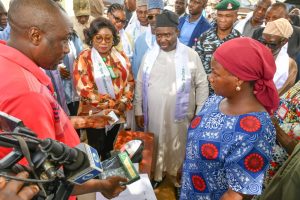
In a bid to alleviate economic pressures during the festive season, Bankole Mohammed has held his annual palliative distribution in Ogbagi, Akoko North West, supported by Nigeria’s Minister of Interior, Olubunmi Tunji-Ojo (popularly known as BTO). The event, held on December 26, has become a staple of the local calendar, targeting vulnerable groups including widows and party faithful across the Federal Constituency. Hundreds of residents gathered to receive food supplies and cash grants intended to cushion the impact of rising living costs.
A Tradition of Support
Addressing the crowds, Mr. Bankole credited the success of the initiative to his mentor, Bunmi Tunji-Ojo. He praised the Minister’s “outstanding achievements and massive employment programs” within Ondo State and across the federation. The lawmaker also used the platform to rally support for the federal government, urging constituents to remain prayerful for President Bola Tinubu as he navigates the country’s economic reforms.
Local Leadership United
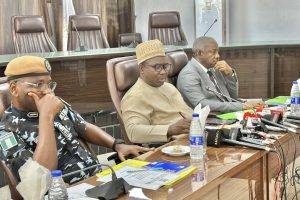
The distribution saw a significant turnout of regional political figures, underscoring a unified front in Akoko North West leadership: Ifeoluwa Ehindero (MHR): Commended for his commitment to job creation across all 23 wards. Fatai Atere (MHA): Praised Mr. Bankole’s “selfless generosity” and urged continued loyalty to the current leadership. HRM Oba Victor Adetona (Odagbaragada III): The traditional ruler lauded the organizers for their “people-centered” approach, noting that consistent giving is vital for social stability.

Community Impact
Beyond the political speeches, the atmosphere in Ogbagi was one of gratitude. Local women leaders and party stakeholders noted that such grassroots interventions are critical for families struggling to balance holiday celebrations with basic needs. The ceremony concluded with a multi-denominational prayer session led by Pastor Esu Pofo, seeking stability and “more grace” for Nigeria’s top officials and the prosperity of the Akoko community. As Nigeria continues to face fluctuating inflation rates, these localized “palliative” schemes remain a primary, though temporary, lifeline for many in the country’s rural heartlands.



Add Comment