


US President Donald Trump has confirmed that American forces conducted a series of “powerful” airstrikes against Islamic State militants in northwest Nigeria, warning of further action if the targeted killing of Christians continues.
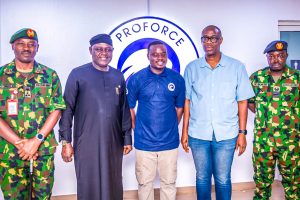
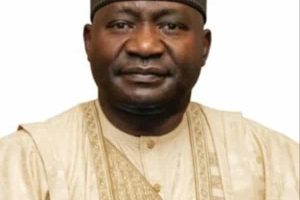
The operation, which took place on Christmas Day in Sokoto State, was confirmed in a statement signed by the spokesperson for Nigeria’s Ministry of Foreign Affairs, Kimiebi Ebienfa. The Nigerian government described the strikes as part of a “structured security cooperation” aimed at dismantling terrorist networks, though it notably used more measured diplomatic language than the US President.
Writing on his Truth Social platform, Mr Trump described the targets as “ISIS Terrorist Scum” and claimed the strikes were a direct response to the “vicious” persecution of innocent Christians. “I have previously warned these terrorists that if they did not stop the slaughtering… there would be hell to pay,” the President wrote.
A ‘Christmas’ operation
The US Africa Command (AFRICOM) confirmed the strikes were executed in coordination with Nigerian authorities. Defence Secretary Pete Hegseth added that the “Department of War” remained ready to act, thanking the Nigerian government for its cooperation.
The military intervention comes at a time of heightened tension in the region:
- Maiduguri Attack: The strikes followed a suicide bombing at a mosque in Maiduguri just 24 hours earlier, which killed five people.
- Presidential Ultimatum: Last month, Mr Trump threatened to cut off US aid and enter Nigeria “guns-a-blazing” if the local government failed to curb extremist violence.
- Diplomatic Overhaul: The strikes coincide with a purge of the US diplomatic corps, including the recall of the US Ambassador to Nigeria, as part of a wider administrative shake-up.
Analysis: The ‘Trump Doctrine’ arrives in Africa
By Segun Ojumu Africa Eye News Correspondent
The airstrikes in Sokoto represent a sharp departure from the traditional US approach to security in Africa. While the previous administration focused on “train and equip” missions, the current White House is demonstrating a preference for direct, unilateral kinetic action.
1. Religion as a Foreign Policy Driver
President Trump has explicitly linked these military strikes to the protection of a specific religious group—Christians. By framing the conflict in these terms, the US administration risks complicating the Nigerian government’s delicate efforts to maintain inter-faith harmony in a country almost evenly split between Muslims and Christians.
2. ‘Department of War’ Rhetoric
The use of the term “Department of War” by both the President and Secretary Pete Hegseth signals a symbolic shift toward a more aggressive, combat-oriented military posture. This “tough-talk” is a hallmark of the administration’s foreign policy, intended to project strength to domestic supporters and adversaries alike.
3. A Fragile Partnership
The Nigerian government’s response, signed by Kimiebi Ebienfa, highlights a difficult balancing act. Abuja needs US intelligence and air power to combat the growing ISIS-West Africa (ISWAP) threat, but it must also protect its national sovereignty. If the US continues to bypass traditional diplomatic norms—such as the recent recall of ambassadors—the “cooperation” cited by both sides may be pushed to its breaking point.
4. Regional Fallout
The strikes have already caused “panic” and reports of explosions in other Nigerian communities, such as Kwara. In a region already struggling with displacement and economic instability, the sudden escalation of high-profile US military activity could have unpredictable consequences for local security and migration.

Add Comment