


(Written by Lucky Ndupu)
The global entertainment and content industry is changing fast. Audiences are no longer impressed by spectacle alone; they are searching for stories that feel real, human, and emotionally grounded. At the same time, Western markets are experiencing creative fatigue, recycling familiar plots and predictable characters. This moment presents a powerful opportunity for African storytellers, filmmakers, writers, and content creators.
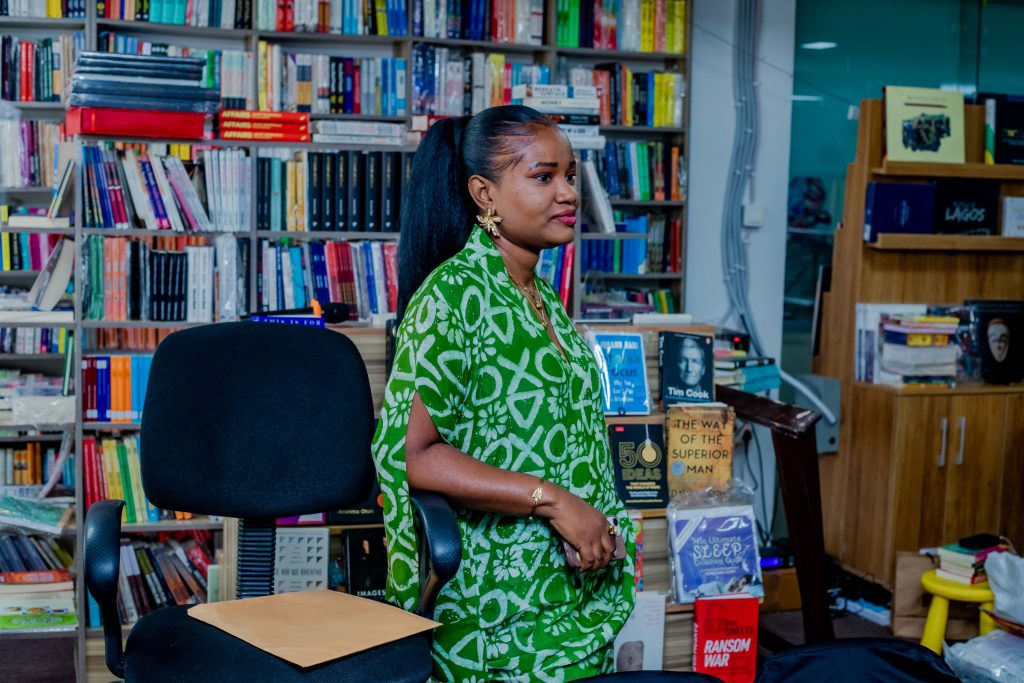
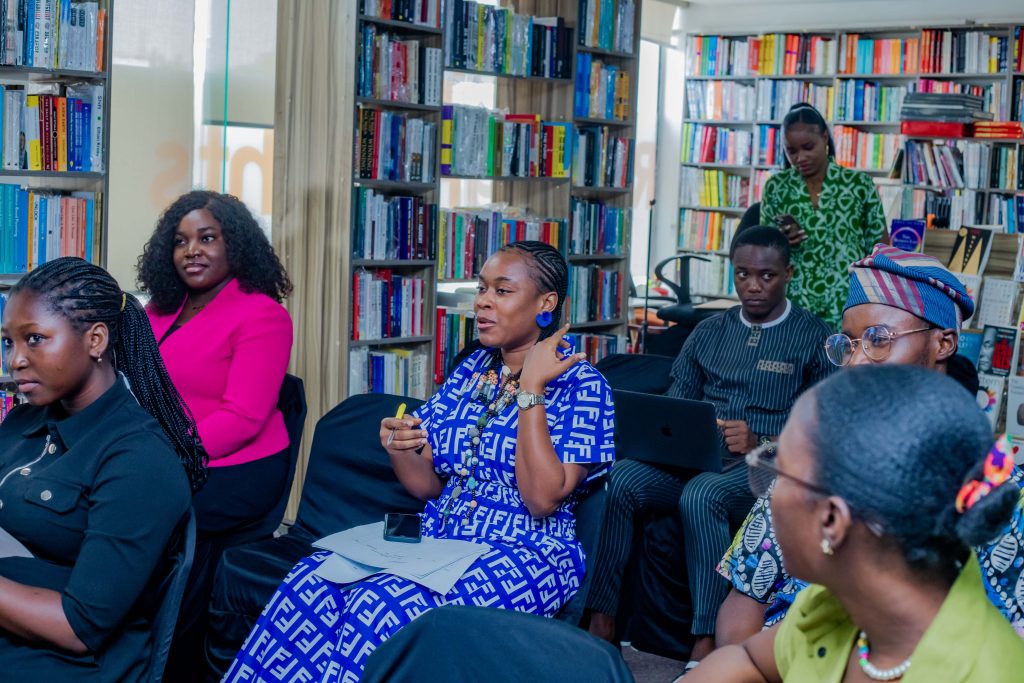
Africa Writers Connect 2.0 which held on 13th December, 2025, in Abuja, Nigeria, is one that will not easily be forgotten. Insights shared by industry voices such as Emil Garuba, Omolola Lamikanra, IkeGod Chielo, and Kelvin Ebuka point to one clear truth: African stories are not lacking in value or depth. What often needs refinement is how those stories are structured, communicated, and positioned for a global audience.
This article explores key areas that was addressed in the event such as modern storytelling for a global audience, content creation and monetization, and practical takeaways for creatives who want to build work that travels beyond borders. Here’s a deep dive into the insights shared:
—
1. The Global Audience and the Power of Storytelling
Finding the Emotional Core
The challenge with many local stories is not originality. It is emotional anchoring. Great stories connect because they are rooted in emotions that everyone understands: fear, hope, love, sacrifice, ambition, loss, and resilience. When a story fails to travel, it is often because the audience cannot emotionally enter it.
A woman fighting to save her family is a universally compelling narrative. It works in a Korean drama, a New York crime thriller, or a Nigerian village setting. The environment changes, but the emotional core remains the same. When storytellers identify and protect that emotional center, the story becomes borderless.
Universal Themes, Local Expressions
Culture should not become an obstacle to understanding. The most successful global films do not pause to explain their traditions. Instead, they immerse the viewer and allow meaning to emerge naturally.
African culture works best as texture, not exposition. Language, food, music, customs, and community rhythms should shape the atmosphere of the story, not interrupt it with explanations meant to justify its existence. Trust the audience to feel the story before they fully understand every detail.
Why the World Is Ready for African Stories
Western storytelling ecosystems are running out of new material. Sequels, reboots, and recycled tropes dominate mainstream platforms. In contrast, Africa holds thousands of untapped narratives shaped by history, community, faith, conflict, joy, and survival.
This is not charity or diversity inclusion. It is market demand. Global audiences want fresh perspectives, and African stories offer originality when they are told with clarity and emotional precision.
Structure Is Not Optional
There is often a belief that storytelling is mystical or purely intuitive. While creativity matters, structure is what makes stories work across cultures. Every effective story needs a clear beginning, middle, and end.
Global audiences respond to structure because it creates emotional rhythm: setup, tension, release. Regardless of language or setting, stories that respect this structure are more likely to resonate, be funded, and be distributed widely.
—
2. Strategy, Collaboration, and Breaking Old Boxes
Storytelling Is a Team Sport
Filmmaking and large-scale content creation are inherently collaborative. Crossing borders through partnerships, such as Nigeria–Ghana collaborations, expands both creative perspective and market reach. Shared histories and cultural overlaps can strengthen stories rather than dilute them.
Strategic collaboration is not about losing identity; it is about amplifying it.
Breaking the Hollywood Imitation Trap
Global success does not require copying Hollywood dialogue, pacing, or visual language. Other regions succeeded by defining their own storytelling signatures. Bollywood embraced dance and heightened emotion. Korean cinema leaned into slow pacing, silence, and emotional tension.
African creators must decide how they want to tell stories, not how Hollywood would tell them. Authenticity paired with intentional style creates distinction, not limitation.
Listening to Feedback Without Losing Yourself
Platforms, critics, and audiences often give signals that creators ignore or misunderstand. In many cases, feedback is not about the story idea itself but about emotional connection, pacing, or clarity of structure.
Learning to listen without becoming defensive is a professional skill. Feedback is data. When interpreted wisely, it strengthens the work without compromising the creator’s voice.
—
3. Content Creation, Visibility, and Monetization
Immersion Before Communication
You cannot communicate what you do not deeply understand. Effective content comes from immersion, not surface-level commentary. Whether it is film, writing, or digital content, creators must live inside their subject matter before presenting it to others.
This depth is what separates disposable content from meaningful work.
Content as a Career Engine
Consistent content creation builds visibility, credibility, and opportunity. When done well, it removes the need to chase opportunities. Instead, opportunities begin to chase the creator.
People trust what they see consistently. Content becomes proof of competence, not just promotion.
Consistency Builds Trust
Audience loyalty is built over time. Showing up regularly trains people to pay attention. Inconsistency breaks momentum, while consistency compounds results.
This applies across platforms: film projects, writing, short-form videos, or long-form storytelling.
Turning Environment Into Fuel
African creators often work under difficult conditions: power outages, limited infrastructure, unstable systems. Instead of treating these realities as excuses, they can become creative fuel.
These frustrations shape a distinct African voice, one that global audiences increasingly find compelling because it is honest and grounded.
—
4. Craft, Authenticity, and Professional Discipline
Writing Is Rewriting
Strong storytelling rarely emerges fully formed. Good writers rewrite. They refine, cut, adjust, and reshape their work until clarity appears. Adaptability is not weakness; it is mastery.
Learn the Rules Before You Break Them
Innovation without understanding often leads to confusion. Creatives must first understand the rules of structure, pacing, character development, and editing. Only then can they break those rules intentionally to create something new.
Attention to Detail Matters
Every choice communicates something. Editing style, camera movement, sound design, pacing, and presentation all affect how a story is received. Deliberateness separates amateur work from professional craft.
Authenticity Builds Safety and Connection
People mirror what they see often and disconnect from what they fear. Authentic storytelling creates safety, allowing audiences to see themselves without judgment. When creators are honest, audiences respond with trust.
—
5. Practical Takeaways for Creators
▪︎ Focus matters. What you consistently give attention to grows, whether skill, audience, or opportunity.
▪︎ Maintain your craft. Keep practicing storytelling, refining your voice, and most importantly, listening to feedback and to people.
▪︎ Read widely, but do not stop at theory. Knowledge becomes powerful only when applied. Step beyond learning into execution.
—
Final Thought
African stories do not need permission to matter. They need emotional clarity, strong structure, professional discipline, and strategic visibility. The global stage is open, the audience is waiting, and the demand is real.
The future belongs to creators who can tell local stories with global hearts.



Add Comment